Hi, I'm Alyson.
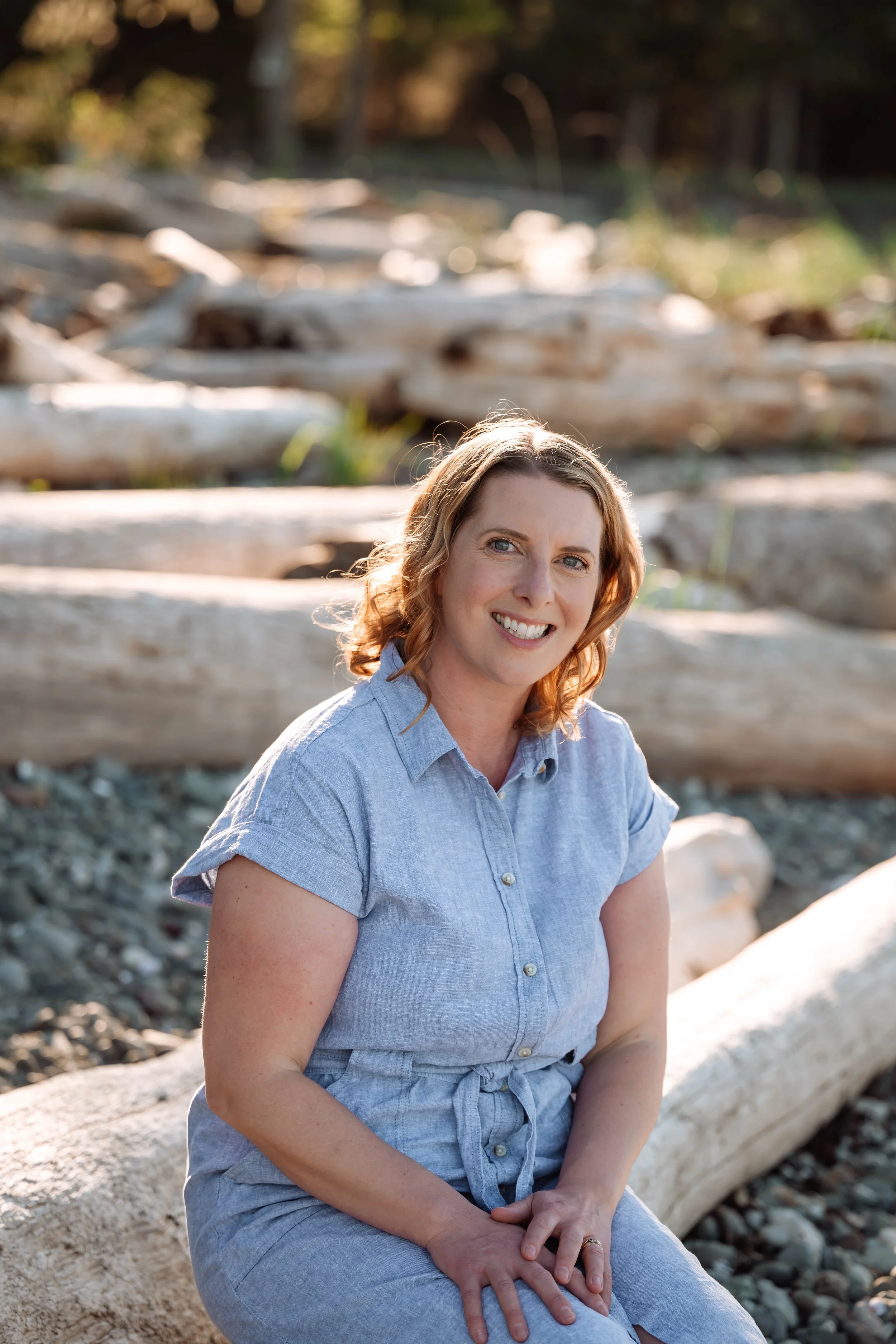
I've been a curious person for as long as I can remember. The first non-picture book I ever read was one of Jane Goodall's, and for years I wanted to be a paleoanthropologist and study human evolution (a dream that has never fully left, to be honest).
Somewhere around grade six I made my first “pivot” so to speak, to wanting to be a psychiatrist when I grew up, right up until I realized that meant med school and twelve-plus years of post-secondary... That was also about when I decided I'd make something of myself. Good grades, a stable job, a pension and benefits, the whole millennial promise, and I did all of it.
How I got here
The psychiatry dream slowly became a psychology degree, and I was heading into my fourth year, planning on counselling, when I came across occupational therapy and chose the more “practical” path. A master's in occupational therapy followed, and then fifteen years of work, with the majority of it in community mental health here on Vancouver Island.
In occupational therapy, an occupation is anything you do to occupy your time. Paid work counts, and so does everything else that fills your days. Simply put, occupational therapy is about helping people take part in the occupations that have meaning to them, and looking at what's in the way of that participation. Becoming a mother changes a lot of them at once.
My capstone project in 2010 looked at how pregnancy magazines portrayed the transition to motherhood, years before I had children of my own, and before I had ever heard the term matrescence. The question of how identity shifts during that passage has been a thread through my work long before it became personal.
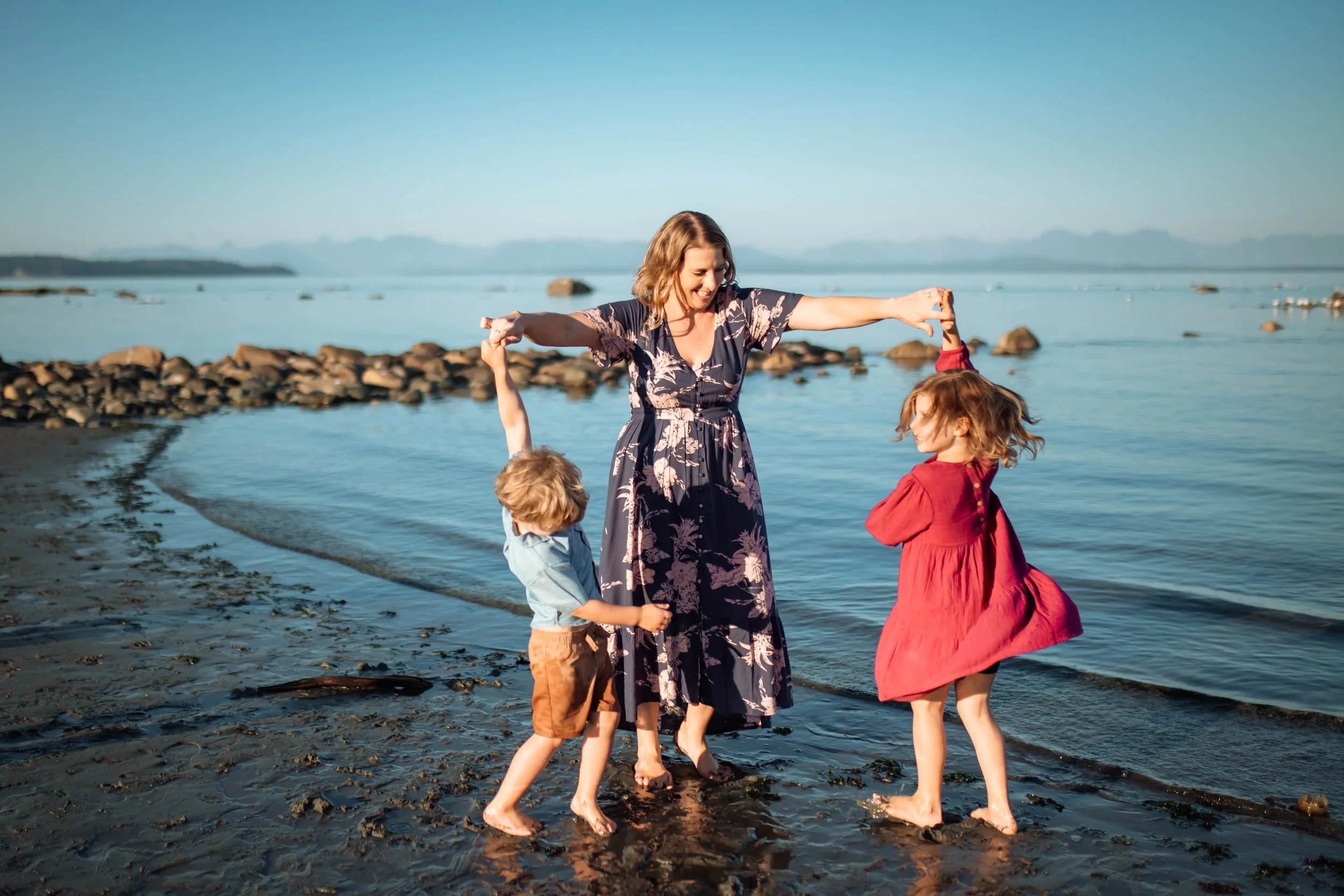
My daughter was born in 2017 and my whole life shifted. I'd never lived to work anyway, and after her that got much clearer. Our son was born in January 2020, a few weeks before the world shut down, and that spring I was home with a newborn and a very busy three-year-old while my husband worked out of town. It was a lot, and it was also the year I knew I wanted my working life to look different.
Some of it I could name. I wanted to work differently, with freedom and flexibility in my days, and I wrote that down and shared it with my husband and a couple of close friends. It felt dreamy and unrealistic at the time. I just couldn't see what the work itself would be yet, so I held onto the idea through a few different versions of my working life.
“I had the training for exactly this, and it still didn’t help me see my own situation.”
So naturally, being the curious person I am, I read, a lot. Well over a hundred personal development books (more than I would like to admit), plus more courses and workbooks than I can count. I was looking for a structured way to make sense of how motherhood had changed my relationship to work, and how to find a life/work blend that actually fit (I much prefer that to “work/life balance,” which I think is a complete myth, by the way). Along the way I earned my perinatal mental health certification through Postpartum Support International, after advocating locally for better support for mothers, where the gap was significant.
I had the training for exactly this, and it still didn't help me see my own situation (humbling, to say the least). There's a line I've since heard, that “you can't read the label from inside the jar”, and that was me.
Why I built From Here
Once I started talking about all this, I kept having versions of the same conversation with other mothers, women who were good at their work and unsure whether it still fit their lives. At the end of the day I'm a helper, and I'd never let go of the idea of building something of my own. From Here is what I built for them, and for the version of me who needed it first.
Building it has been the most aligned work I've ever done. I've loved pulling everything I've read and learned over the years into one structure, from the first question through to the way each report reads, and the hours just don't feel like hours.
Kierkegaard wrote that life is understood backwards but has to be lived forwards, and that's my working life exactly. Every change of direction makes a lot more sense now than it did at the time. I've come to believe that's completely normal. We change, and what we need and what we're good at changes with us, so it is only sensible our work would too. Changing your mind doesn't mean you took a wrong turn.
“I still don’t know what I want to be when I grow up.”
The mother I had in mind has usually spent years being good at her work, whether she's in it right now, on leave or at home, and somewhere along the way the question of what comes next started showing up and not leaving. She's often done the reading too, or she's been too tired to pick up another book and doesn't know where to start. Either way, she still doesn't have a clear picture of her own situation, laid out in one place, with a named direction.
That's what the assessment gives her. She answers a set of questions in about fifteen to twenty minutes, and within two business days she gets a written report specific to her, with one of five pathways named and practical next steps that fit where she is right now. It's $39 CAD.
A few more things about me
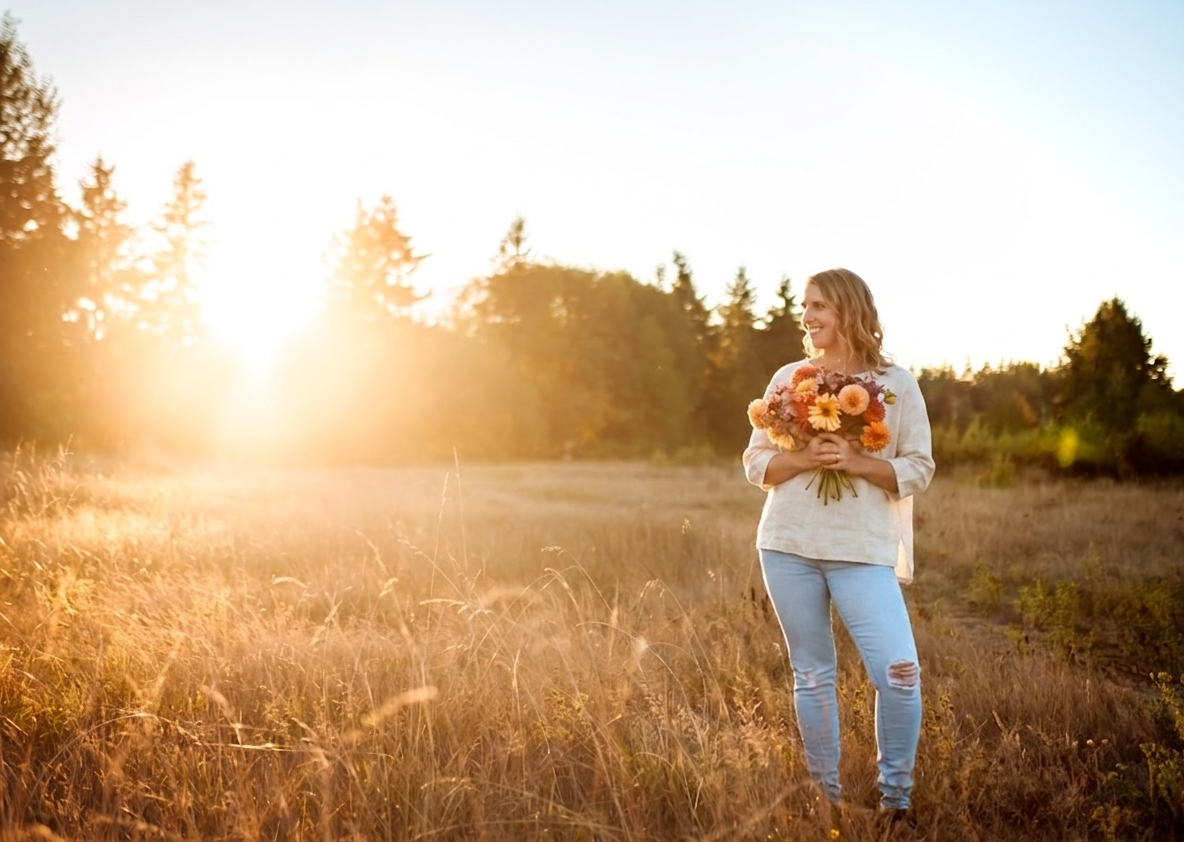
I try to get outside every day, ideally for a walk in the forest, and the garden is where I find my flow.
Beyond matrescence and maternal mental health, I keep coming back to learning about trauma and recovery (especially somatic and nervous system research), attachment (Gordon Neufeld's work and Kim Barthel's neurobiology lens), and neurodivergence and sensory processing across the lifespan.
My two kids agree on almost nothing. He loves watermelon and she can't stand it, and she loves mustard and ketchup, which he won't go near.
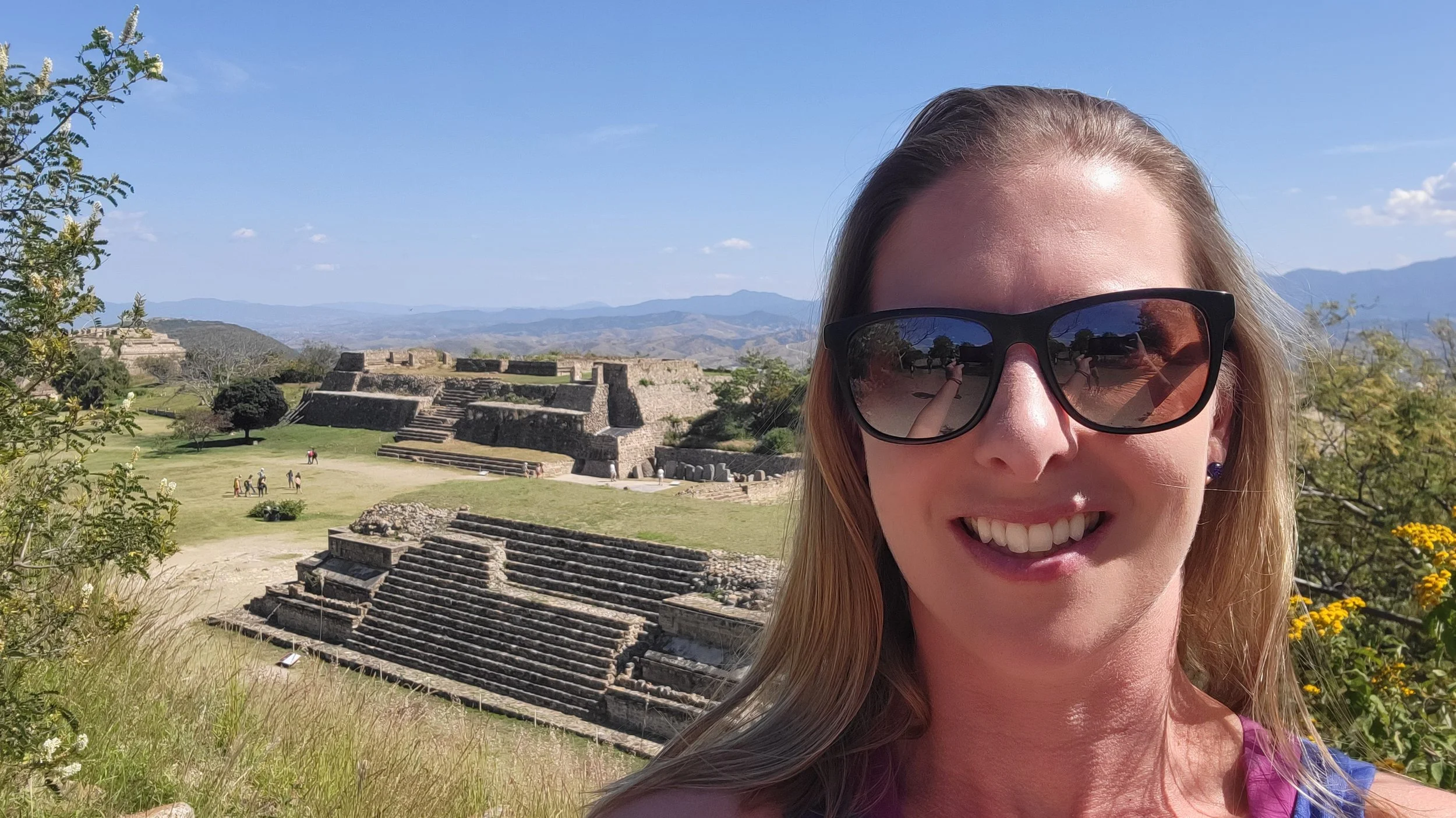
Travelling as a family is our big passion, and we do our best to make it a priority. I'm the biggest cheerleader for anyone nervous about travelling with kids, and I could talk about it for hours (feel free to reach out on this topic at any time, seriously).
“I’m a big believer in delusional optimism, because why not me? And honestly, why not you?”
A few of the hundred-plus books
Motherkind by Zoe Blaskey
The Gifts of Imperfection by Brené Brown
The Big Leap by Gay Hendricks. The zone of genius concept was a full body aha moment for me.
Fierce Self-Compassion by Kristin Neff. I can't praise her work enough.
Burnout by Emily and Amelia Nagoski
Hold On to Your Kids by Gordon Neufeld and Gabor Maté
Tiny Experiments by Anne-Laure Le Cunff
The Way of Integrity by Martha Beck
Your Soul Had a Dream, Your Life Is It by Rebecca Campbell. I've read every one of her books.
Training
BSc Psychology, University of Victoria
Master of Occupational Therapy, University of British Columbia
Perinatal Mental Health Certification (PMH-C), Postpartum Support International
Where to start
If something has shifted for you too, you're not starting from scratch. Everything you've done so far comes with you, so let's work with what you have.
Not quite ready? The free Find Your Pathway quiz is a good place to begin, and if you'd like occasional reflections on motherhood and work in your inbox, you can join the newsletter too.
Alyson